


FEFO: First Expired, First Out for Food, Pharmacy and Beauty
What FEFO means, the one case where it and FIFO part ways, worked for a Kampala pharmacy in shillings, the rule for food, medicine and cosmetics, and how to run it at the till.


What an inventory API does, pull vs push worked out for a Nairobi shop's 1,500 products, why a stock update must be safe to send twice, and what ArmPOS connects today.
The chain from maker to shelf as a small retailer sees it: the five links it controls, the measures that show where it leaks, and wholesaler vs direct import worked in Uganda shillings.
The ways to store stock and the goods each suits, the store-room rules from the USAID handbook, what "store in a cool place" means in degrees, three layouts, and an Accra example in cedis.
How to keep a register of the tools and equipment your business uses, not sells: the columns, a sign-out sheet, what sets each check date, and a Nairobi minimarket's register in Kenyan shillings.
How to decide where each product goes: rank by picks per metre of shelf, fill the waist-height shelf by dispatch first, and what that saved a Nairobi distributor in a month.
Ten ways to sell dated stock before it expires, each with the number that tells you when to act: the units at risk, the most to order, and a Lagos markdown worked in naira.
Seven steps to forecast what your customers will buy, worked on 12 weeks of a Kumasi mini-mart's sales, with three forecasts scored against what really sold.
What quantity on hand counts and what it leaves out, worked for a Lagos phone accessories shop in naira: 50 chargers on hand, 41 available, 100 on order, and the reorder that should not happen.
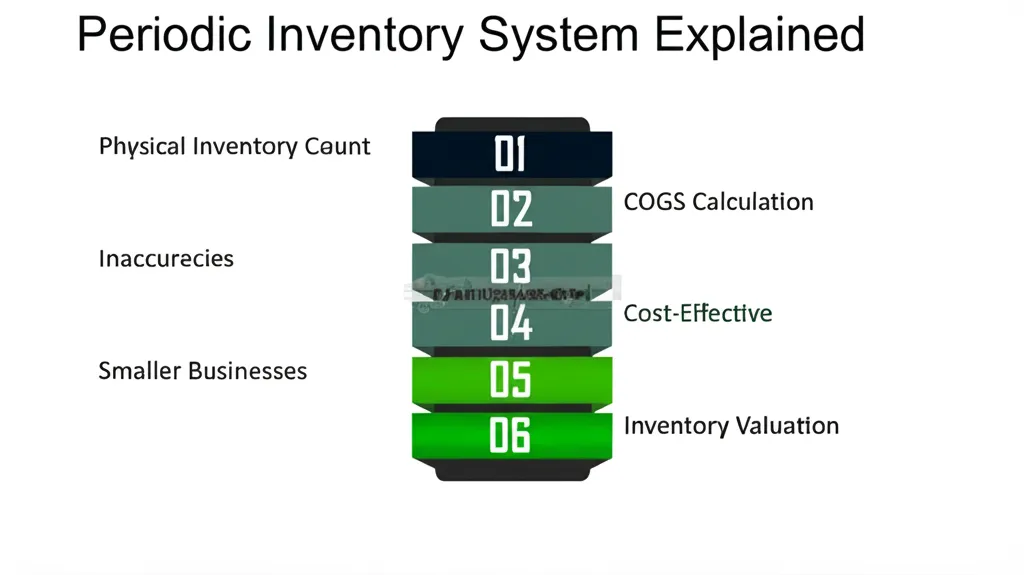
How a periodic inventory system works: one month of a Kampala shop's cement worked from the purchases account to the closing entry in Ugandan shillings, the losses the count hides, and how to estimate stock between counts.
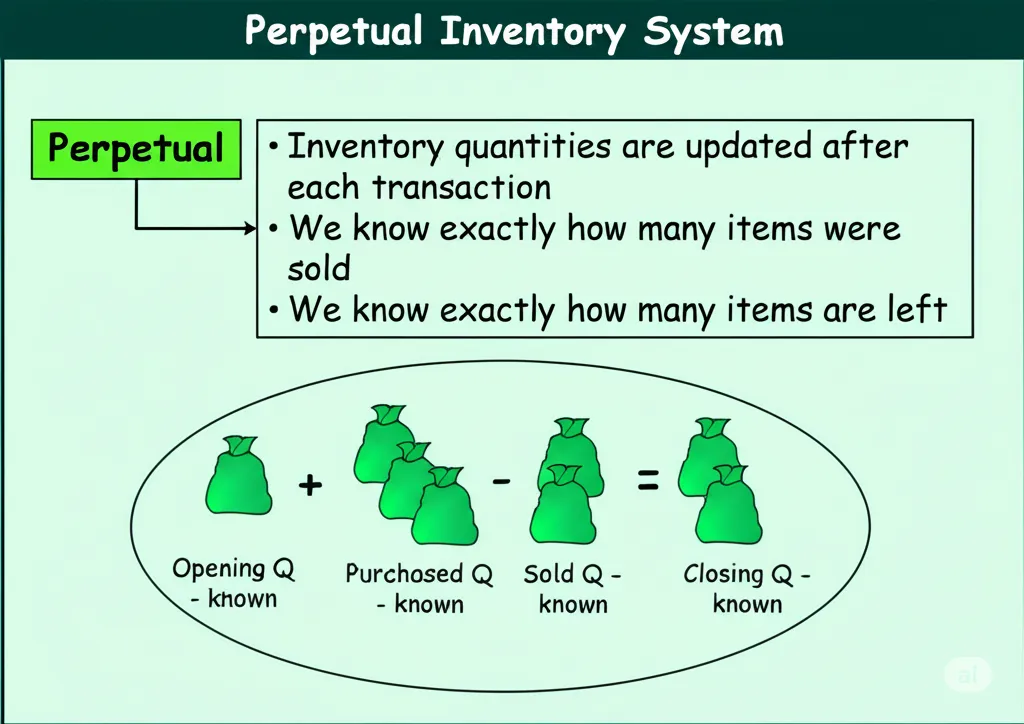
What a perpetual inventory system is, worked through one month of a Kampala shop's cement on a stock card in Ugandan shillings: every movement, the two entries per sale, the count that checks it, and how ArmPOS keeps the record.
The two systems side by side, one month of a Kampala hardware shop's cement run through both in Ugandan shillings, and a table for choosing by who handles your stock rather than by your size.