


Inventory Storage: How to Organize Stock in Your Store Room
The ways to store stock and the goods each suits, the store-room rules from the USAID handbook, what "store in a cool place" means in degrees, three layouts, and an Accra example in cedis.

Guides and ideas for running a shop: point of sale, stock and the numbers that matter.
The ways to store stock and the goods each suits, the store-room rules from the USAID handbook, what "store in a cool place" means in degrees, three layouts, and an Accra example in cedis.

How to keep a register of the tools and equipment your business uses, not sells: the columns, a sign-out sheet, what sets each check date, and a Nairobi minimarket's register in Kenyan shillings.
One naming template, eight rules and ten real-looking shop lines renamed, plus the checks to run before you put a brand name on a product you make.
How to decide where each product goes: rank by picks per metre of shelf, fill the waist-height shelf by dispatch first, and what that saved a Nairobi distributor in a month.
Ten ways to sell dated stock before it expires, each with the number that tells you when to act: the units at risk, the most to order, and a Lagos markdown worked in naira.
Seven steps to forecast what your customers will buy, worked on 12 weeks of a Kumasi mini-mart's sales, with three forecasts scored against what really sold.
What quantity on hand counts and what it leaves out, worked for a Lagos phone accessories shop in naira: 50 chargers on hand, 41 available, 100 on order, and the reorder that should not happen.
An ERP knows what you hold and what it is worth; a WMS knows which shelf it sits on and who fetches it. One delivery and one order traced through both for a Johannesburg distributor, and who needs which.
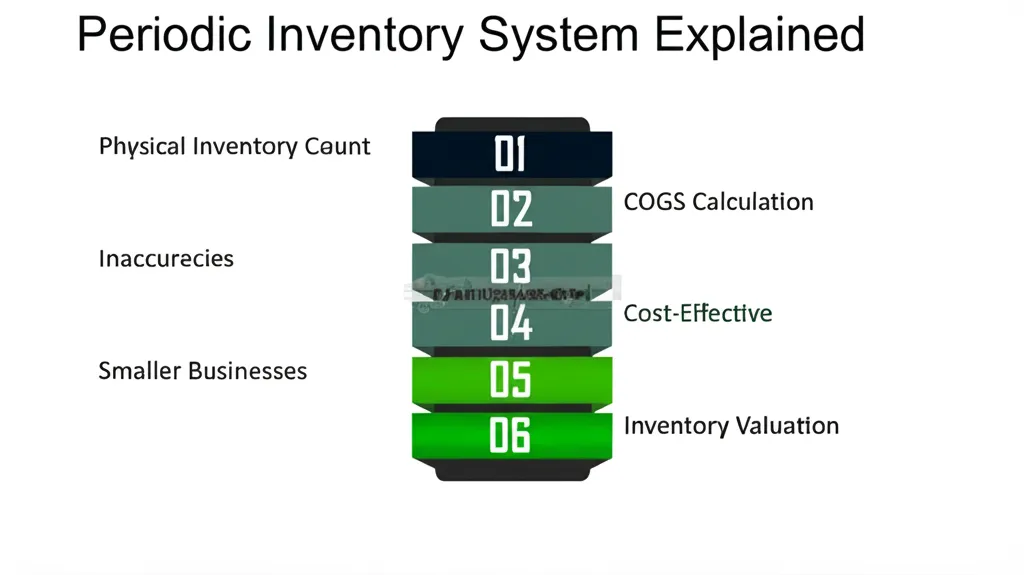
How a periodic inventory system works: one month of a Kampala shop's cement worked from the purchases account to the closing entry in Ugandan shillings, the losses the count hides, and how to estimate stock between counts.
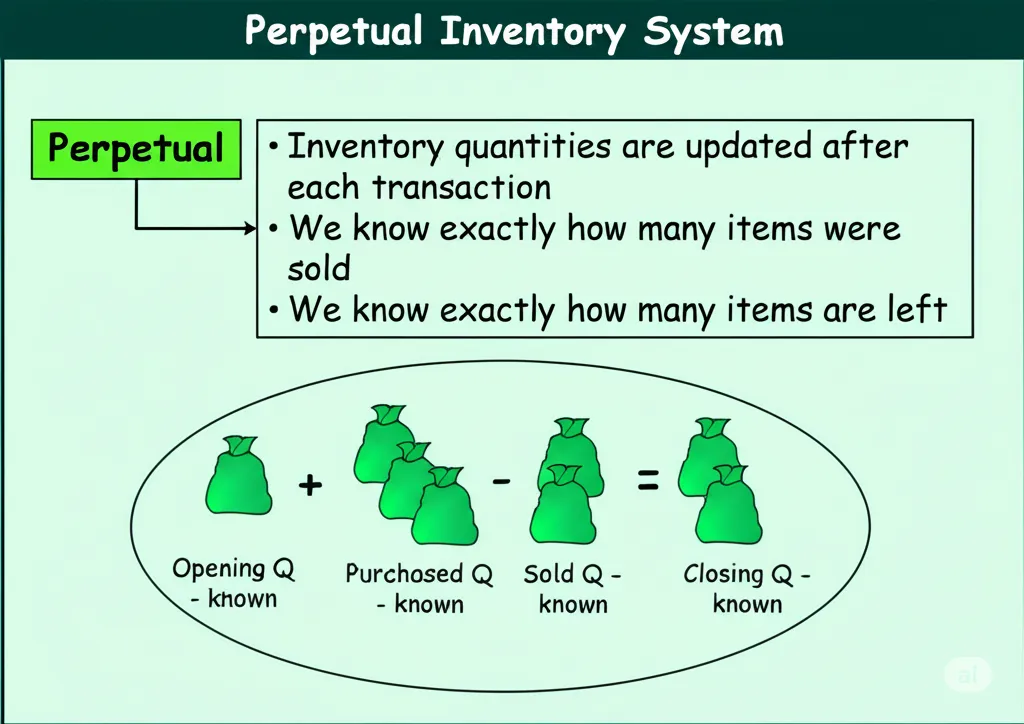
What a perpetual inventory system is, worked through one month of a Kampala shop's cement on a stock card in Ugandan shillings: every movement, the two entries per sale, the count that checks it, and how ArmPOS keeps the record.
The two systems side by side, one month of a Kampala hardware shop's cement run through both in Ugandan shillings, and a table for choosing by who handles your stock rather than by your size.
How VMI works from the agreed minimum and maximum to the weekly top-up, who owns the stock, what the agreement must say, and a Kumasi mini-mart worked in cedis.