


Manufacturing Inventory Management: 9 Strategies for Small Makers
Nine strategies for a maker's stock at every stage, worked on an Accra shirt workshop in GHS, with Little's law cutting work in progress from 15 days to 5.
Guides and ideas for running a shop: point of sale, stock and the numbers that matter.
Nine strategies for a maker's stock at every stage, worked on an Accra shirt workshop in GHS, with Little's law cutting work in progress from 15 days to 5.

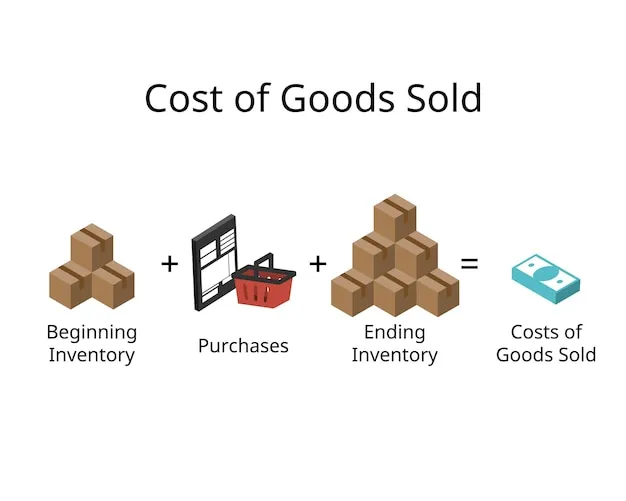
The COGS formula with what goes into cost settled line by line from IFRS for SMEs, worked for a Lusaka shop in kwacha and a Kampala candle maker three ways.
The EOQ formula worked for a Kampala hardware shop in Uganda shillings: what goes into each input, why a full lorry costs only 1.4% more than the exact answer, and when a quantity discount beats the formula.
Direct materials, labour and overheads worked through one Kampala school desk in UGX, why a slow month must not raise the cost of each unit, and two savings worth UGX 15.8 million a year.
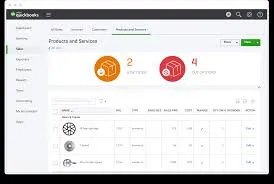
Which QuickBooks plans track stock, the costing choice you can't undo (worked in Uganda shillings), what QuickBooks Online leaves out, and how to use it beside a till.
What changes in stock control when a shop opens its second branch: how much stock to send, why the quieter branch can need the higher reorder level, and how to count with goods on the road.
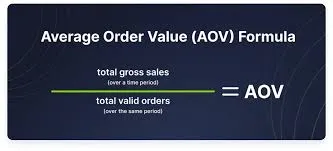
Work out average order value from a till in rand, see why the mean misleads when traders buy in bulk, and test whether a minimum-spend offer pays before you run it.
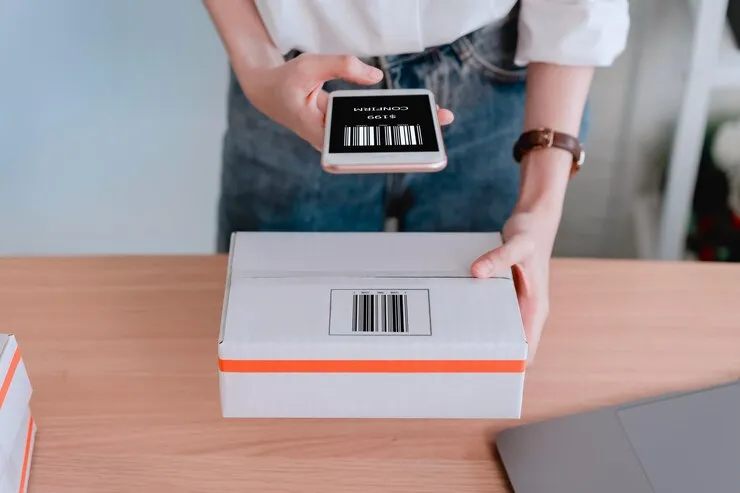
A UPC is the 12-digit form of the same number system as the EAN-13 most African goods carry. What each digit means, the check digit worked through, and what GS1 numbers cost in four countries.
What counts as a raw material under IFRS, how to value it, and every formula worked through one month of a Nairobi soap maker's imported caustic soda, with the reorder point a six-week lead time needs.
Inventory purchasing decides what you pay for everything you sell. A worked UGX example prices a delivery, an early-payment discount and a bulk deal, then shows the entries and the ArmPOS steps.
Staff won't log every cup and till roll, so count instead. A weekly count sheet, reorder levels worked from usage, and the cups-against-sales check that finds GHS 1,664 a year.
How to build SKU codes that stay readable, when the maker's barcode should be your code, and what one lookalike mix-up costs at the till and at the count.